
Attic Water Damage Inspection in Civic Center District, Cerritos, CA
In Short Attic water damage inspection in Civic Center District, Cerritos, CA (90703) finds what the roof is hiding: moisture trails, mold growth, wet insulation, and rotted decking — before they become ceiling collapses or health problems. Your attic tells the truth about your roof. Call (888) 974-0663 for an inspection with photos.
Your attic tells the truth about your roof — long before stains appear on your ceilings. Roof Leak Repair Experts is the local roof leak repair specialist for attic water damage inspection in Civic Center District, Cerritos, CA. The Civic Center District runs along Bloomfield Avenue with City Hall — the first solar-heated city hall in the country — plus the Sheriff Station, Millennium Library, and Cerritos High. We handle Civic Center District, CA 90703 roof leaks every week.
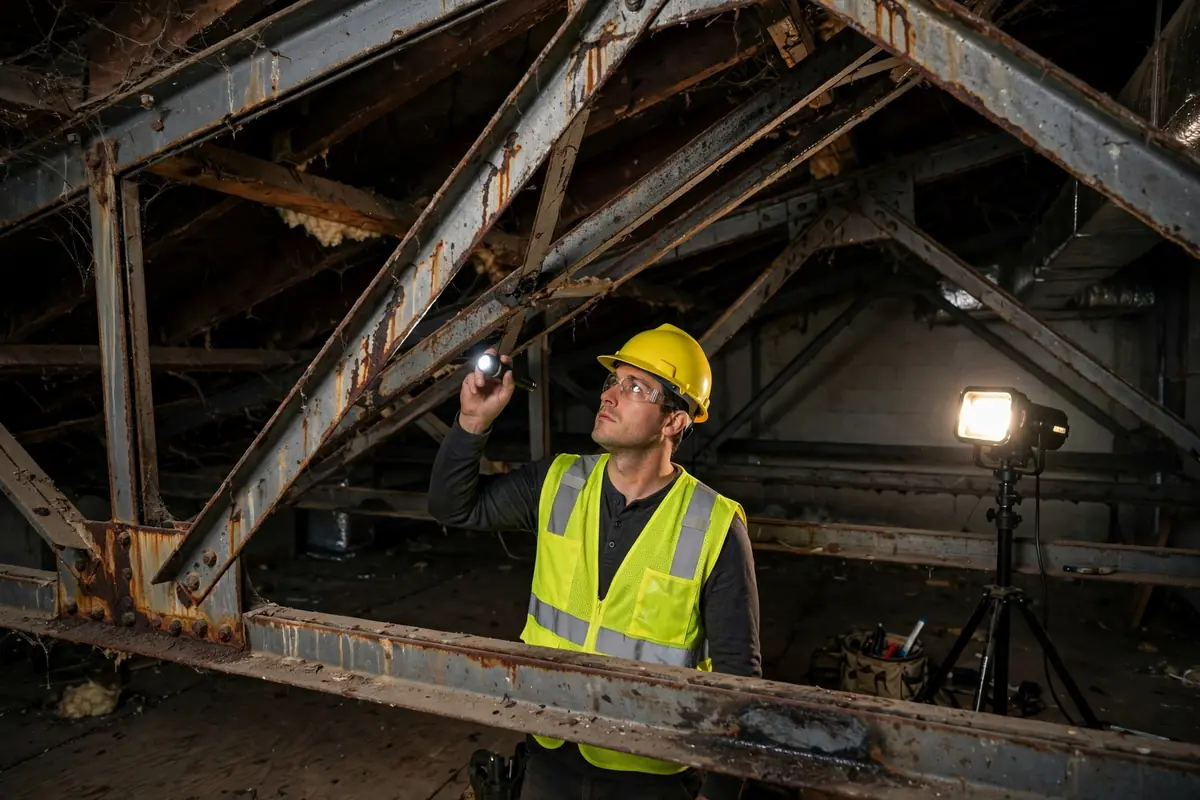
Attic water damage inspection is a full diagnostic of your attic space: moisture mapping of decking and insulation, ventilation assessment, mold and mildew check, and tracing any evidence back to its roof entry point — delivered as a written report with photos. Civic and institutional buildings here have large flat roofs and strict maintenance standards.
What We Inspect in Your Civic Center District Attic, CA 90703
We map moisture across the roof deck with meters, inspect insulation condition, check ventilation intake and exhaust balance, look for mold and mildew, examine framing for rot, and trace every stain to its likely entry point. The Civic Center District runs along Bloomfield Avenue with City Hall — the first solar-heated city hall in the country — plus the Sheriff Station, Millennium Library, and Cerritos High.
You get the full picture in a written report with photos — not a verbal 'looks okay' but documented evidence you can act on.
- Moisture mapping of roof deck
- Insulation condition and R-value
- Ventilation intake/exhaust balance
- Mold and mildew assessment
Mold in the Attic: What It Means
Attic mold means chronic moisture — from a slow leak, condensation, or bathroom fans venting into the attic instead of outside (extremely common). We identify the moisture source, assess the extent, and recommend remediation scope.
Small areas are often DIY-manageable once the moisture source is fixed; larger growth needs professional remediation. The surrounding 1970s tract homes share the city's signature planned-community roof era. Either way, killing mold without fixing moisture is pointless — we address the cause first.
- Source fixed before remediation
- Extent assessment with photos
- Remediation guidance
- Chronic moisture is the root cause
When to Schedule an Attic Inspection in Cerritos
After any roof leak repair (to verify no hidden damage remains), before buying a home, when energy bills climb unexplained, if you smell mustiness upstairs, or every few years as preventive maintenance.
Civic and institutional buildings here have large flat roofs and strict maintenance standards. The inspection is affordable, non-invasive, and the report gives you a prioritized action list. Call (888) 974-0663 to schedule.
- Musty odors upstairs
- Preventive every few years
- After any leak repair
- Before buying a home
How Attic Water Damage Inspection Works Differently in Civic Center District
An attic inspection in Civic Center District (90703) answers three questions: is water getting in, how much damage has it done, and is the attic environment making it worse. civic buildings and 1960s–70s homes here commonly shows the full trilogy — active or historic leak trails, mold growth fed by poor ventilation, and insulation that’s been wet enough to lose its R-value. We map moisture with meters (not just eyeballs), photograph everything, and separate urgent structural concerns from monitor-and-maintain items. The report gives you a prioritized plan instead of a scare list.
Ventilation is the local multiplier: many tract-era attics are under-ventilated by modern standards, so any moisture that enters stays. Bathroom fans venting into the attic (instead of outside) are a shockingly common find that mimics roof-leak damage.
What to Expect From Your Civic Center District, CA 90703 Visit
If we find active leaks, we trace them to the roof source and can quote the exterior repair in the same visit — one diagnosis, both sides of the problem.
Preparing for Your Appointment
Before we arrive, clear a path to attic access and move valuables away from the leak area — place a bucket under active drips and, if paint is bubbling, resist the urge to pop it (that releases trapped water all at once). Note when the leak appears: only in heavy rain, after wind, or constantly. That timing is diagnostic gold. If you have roof documents from a past re-roof, have them handy — knowing the roof’s age and material focuses the inspection immediately.
Warning Signs: When Civic Center District Homeowners Should Call About Attic Water Damage Inspection
- Musty odor in the attic or upper rooms.
- Dark moisture trails on rafters or the deck underside.
- Compressed, stained, or matted insulation.
- Surface mold growth on decking or framing.
- Rust on nail heads protruding through the deck — chronic moisture.
- A roof over 20 years old in Civic Center District that’s never had an attic inspection.
Attic Water Damage Inspection Cost Factors in Civic Center District, CA 90703
An attic inspection in Civic Center District is a flat-fee diagnostic visit — modest, and credited toward any resulting repair work booked within the week. What it prevents is the expensive kind of surprise: structural deck rot, widespread mold remediation, or insulation replacement discovered only after a ceiling fails. For civic buildings and 1960s–70s homes, where slow leaks hide for seasons, it’s the highest-value diagnostic we offer.
How We Diagnose Attic Water Damage Inspection Problems in Civic Center District
Diagnosis is where Attic Water Damage Inspection jobs succeed or fail, so we treat it as its own discipline in Civic Center District, CA 90703. The visit starts inside: we map the stain, then get into the attic to trace the moisture path with meters — water almost always travels along rafters or decking before it drips, which is why the entry point sits uphill from the stain. That attic evidence narrows the roof-surface search to a specific zone instead of the whole roof. Outside, we inspect that zone detail by detail: every penetration, flashing line, seam, and transition gets a close look, because on civic buildings and 1960s–70s homes the failure is usually one specific detail, not general wear. Where visual inspection isn’t conclusive, controlled water testing isolates the entry point — we wet one section at a time and watch, so there’s no guessing. You get photos of the failure, the moisture readings, and a written scope before any repair work is discussed. That discipline is the difference between a repair that holds and a stain that comes back next storm.
- Interior stain mapping and attic moisture tracing with meters
- Roof-zone inspection focused by the attic evidence, not the whole roof
- Controlled water testing when visual inspection isn’t conclusive
- Photo-documented findings and a written, itemized repair scope
Related Services
Helpful Roofing Guides
- Roof Leaks and Mold: Health Risks You Should Not Ignore
- Roof Leak vs. Attic Condensation: How to Tell the Difference
Attic Water Damage Inspection in Civic Center District FAQs
I'm buying a home in Civic Center District — should I get this inspection?
Strongly recommended. Standard home inspections are generalist and brief in attics; our specialist inspection with moisture mapping catches what they miss — before you own the problem.
What does an attic inspection actually find?
Moisture trails marking leak paths, mold growth, wet or compressed insulation, rotted or soft decking, ventilation deficiencies, and pest-related damage. Everything is photographed with moisture readings where relevant.
Is attic mold dangerous?
It depends on extent and type — surface mold on decking is common and usually remediable, but extensive growth, especially with musty odors reaching living spaces, deserves prompt professional assessment. We document what we find and recommend next steps honestly.
My ceiling looks fine — do I still need an inspection?
If your roof is 20+ years old, you’ve had past leaks, or you’re buying the home — yes. Attic damage routinely outpaces visible ceiling symptoms by months or years in this climate.
Will you have to cut into anything?
No — the inspection is completely non-invasive. Visual examination, moisture meters, and photography. We don't open walls or cut decking.
How long does the inspection take?
Most attic inspections take 60–90 minutes, depending on attic size and accessibility. You receive the written report with photos afterward.